Norway is an absolute paradise for anglers. From deep fjords and wild lakes to rushing rivers full of powerful salmon – the possibilities are endless. However, Norwegian law is very strict when it comes to nature conservation. Before you cast your line, you need to know the current fishing regulations in Norway applicable in 2026.
In this article, you will find everything you need to know before your trip: from information about licenses (fiskekort, fiskeravgift), through export limits, to mandatory equipment disinfection.
Sea Angling in Norway – Free, but with Rules
Fishing in Norwegian fjords and the open sea is the most popular activity among tourists. Most importantly – it is very accessible.
Do you need a license for the sea?
No. A license is not required for recreational sea angling from the shore or a boat. However, you must remember that fishing must be done exclusively using recreational methods (rod, spinning, fly fishing).
Minimum sizes and angler's duties
No license does not mean no rules. Norway has strict minimum size limits for specific fish species (e.g., cod, halibut, or saithe).
- Fish below the minimum size must be carefully and immediately released back into the water.
- You must strictly comply with local seasonal restrictions and fishing bans specified for a given species.
Where can you fish from the shore and boat?
Fishing is permitted on most of the coastline. The exceptions where fishing is prohibited include:
- Military areas
- Commercial ports
- Private piers (without explicit permission from the owner)
- Marine nature reserves
Note: You must also keep a safe distance from fish farms, according to local markings on the water.
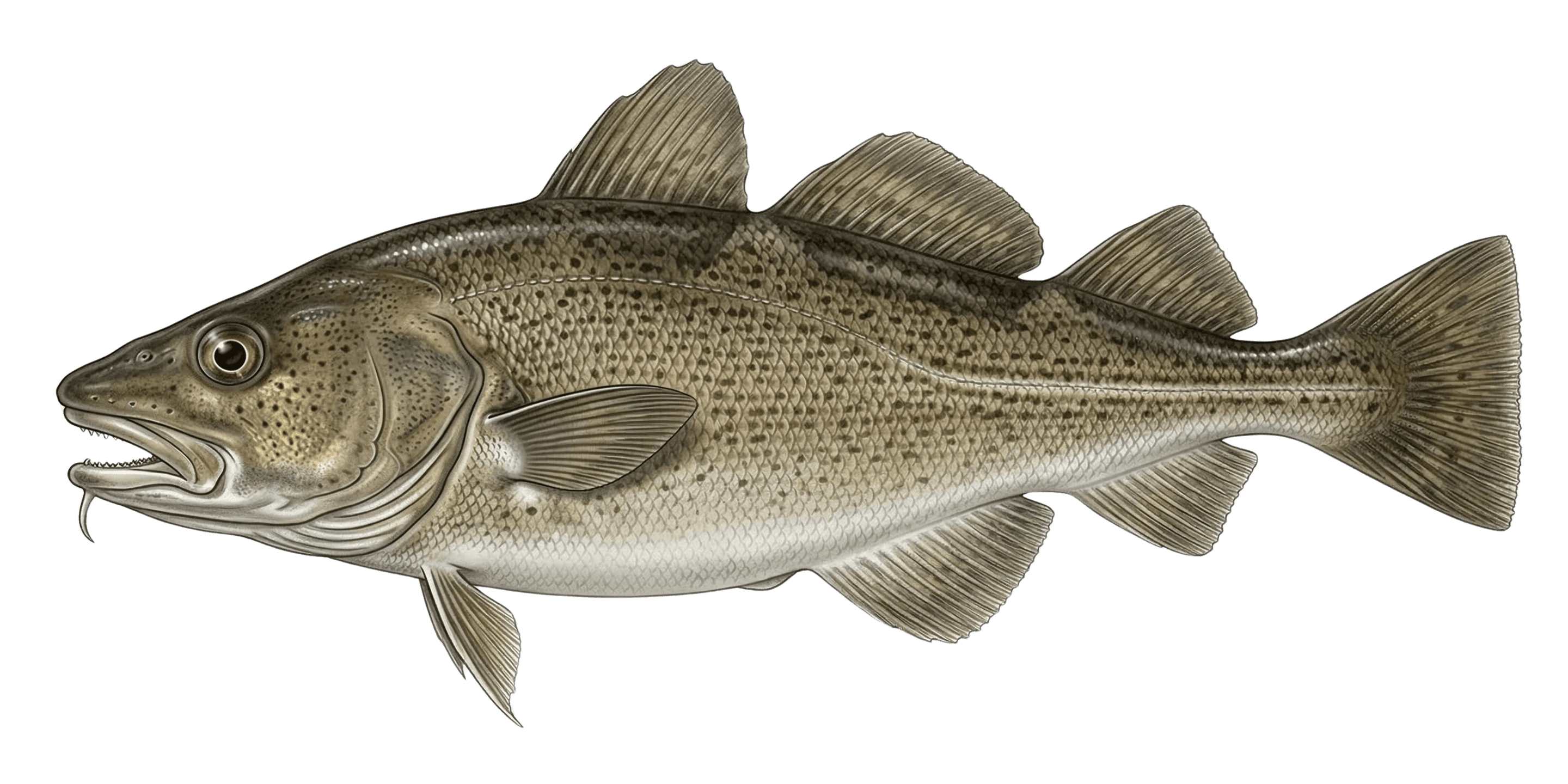
Cod, halibut, and saithe are among the saltwater species with strict minimum size requirements.
Freshwater Fishing – Lakes and Rivers
If you prefer peaceful fishing for trout, pike, or perch in lakes, you need to prepare for different rules than at sea. Here, the water always has an owner or manager.
The Fiskekort License – Your entry ticket
Fiskekort (a local fishing license) is mandatory on most freshwater bodies. Remember that this license is not universal – it is assigned to a specific body of water or even a specific stretch of a river.
You can conveniently buy it online (e.g., via the Inatur portal) or locally from vendors (often at gas stations or fishing tackle shops).
Local regulations
Water owners have the right to set their own rules. Always check the following before you start fishing:
- Minimum size limits
- Daily bag limits
- Conservation periods for specific species
- Any bans (e.g., using live bait or combustion engines on boats)
During an inspection by the fishing guard, you must present your fiskekort (in paper form or electronically on your phone) and a piece of ID.
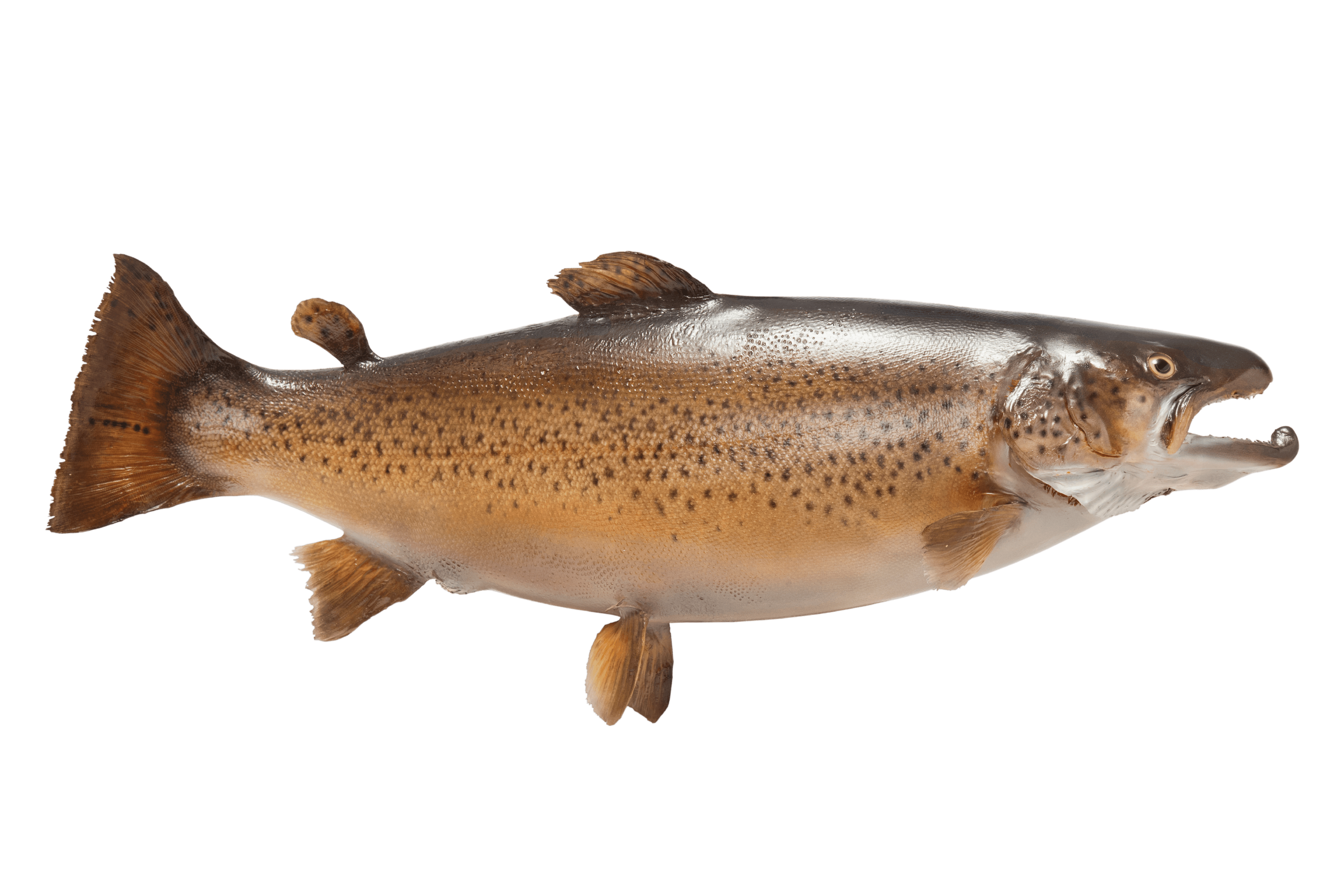
Trout, pike, and perch are popular freshwater targets — each with their own licensing requirements.
Salmon Rivers – The Kingdom of Salmon and Sea Trout
Fishing for salmon and sea trout (sjørøye) in rivers is the most prestigious, but also the most heavily regulated category of fishing in Norway.
Fiskeravgift (National fee)
To even consider legally fishing for anadromous (migratory) fish in rivers, adults must first pay the fiskeravgift, which is an annual national state fee. You must always have proof of payment with you by the water.
Local Fiskekort for the river
The national fee itself is not enough. In addition to it, you must purchase a local fiskekort for a specific river or its designated section (so-called beat). Due to high demand, licenses for the best rivers need to be booked well in advance.
Mandatory equipment disinfection
This is a crucial point that many tourists forget! Norwegian rivers are protected against the Gyrodactylus salaris parasite, which is deadly to salmon.
- Your equipment (rods, lines, landing nets, waders) must be disinfected before entering the water.
- Disinfection is carried out at authorized points along the rivers (often at campsites or gas stations).
- After the procedure, you will receive a disinfection certificate, which is checked during inspections.
Important: Every salmon river has its own very strict regulations — mandatory use of barbless hooks, mandatory release of female fish during specific periods. Always check before your first cast.
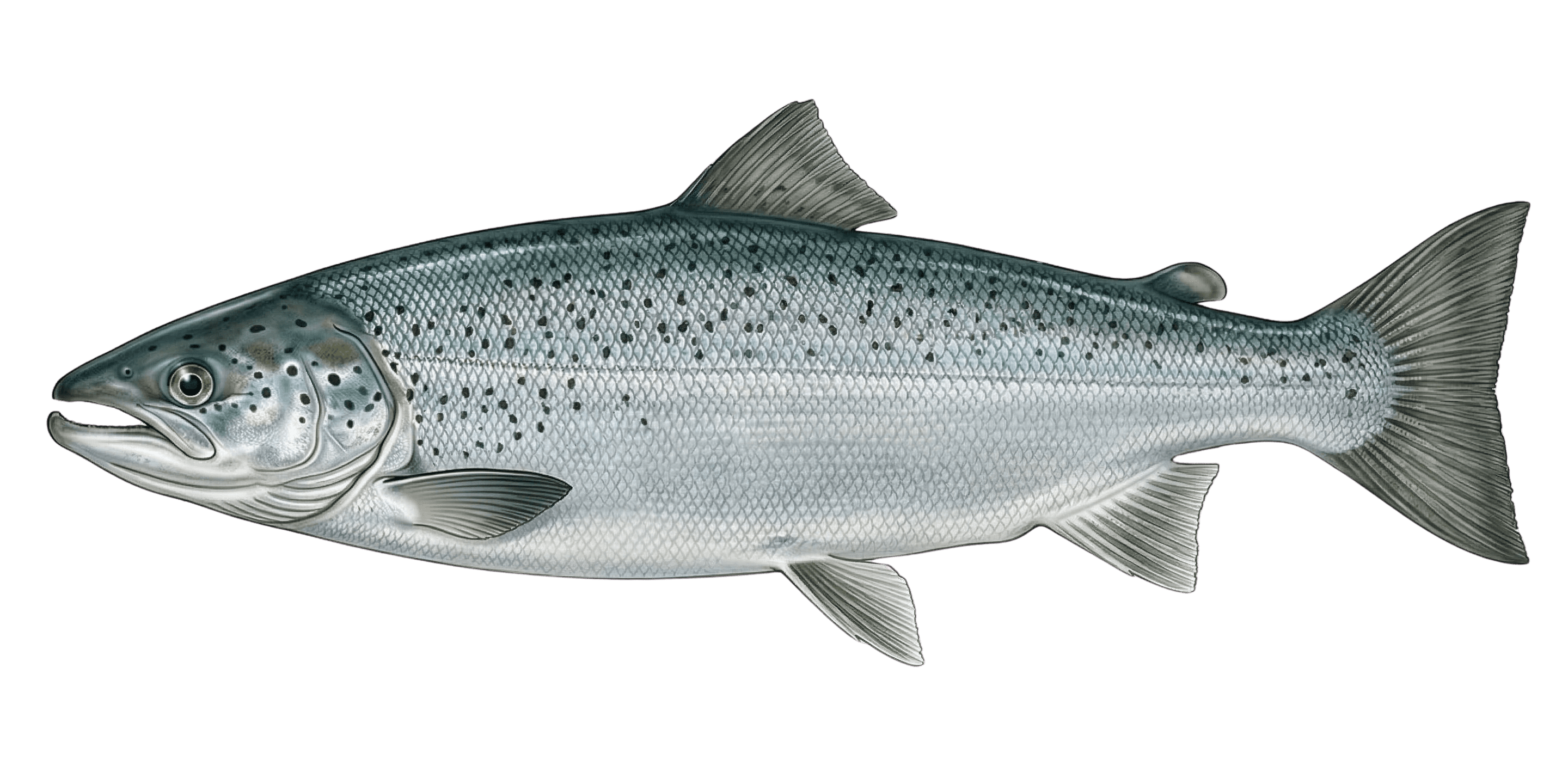
Atlantic salmon – Norway's most regulated and most coveted catch.
Exporting Caught Fish from Norway in 2026
The rules for taking fish out of Norway are very strict and regularly checked by customs officials at borders (including ferries).
In 2026, to export fish fillets from Norway, you must meet two conditions:
- Stay within the tourist weight limit (limits are updated by the Norwegian Customs authorities – check them before your trip).
- Have documented proof of origin. This means that you can only export fish if you fished at a registered tourist fishing camp.
During a customs check, you must present an official document issued by the camp, confirming your catch. Exporting fish caught on your own, outside of registered fishing bases, is illegal.
Maximum twice per calendar year. Dropping to 10 kg from January 1, 2027.
Quick Comparison: Which Rules Apply to You?
FAQ – Frequently Asked Questions (2026)
Exactly how many kilograms of fish can I export from Norway in 2026?
Do fish from lakes and rivers count towards the export limit?
How far from fish farms am I allowed to fish?
Are there any fish species I am not allowed to catch or keep?
Yes, Norway has exceptions to protect specific populations:
- Cod in the Oslofjord: There is a total, year-round ban on catching cod in this area due to stock depletion.
- Halibut: Any specimen measuring over 2 meters in length must be strictly and carefully released back into the water unharmed.
- King crab and bluefin tuna: Tourists are not allowed to catch them on their own (you can only go for crabs as part of organized tours with set quotas in the Finnmark province). Tourists are strictly prohibited from selling any recreationally caught fish.
I only fish from the shore in the sea. Do I need to disinfect my equipment?
Where and how can I buy a lake fishing license (fiskekort)?
Useful Links (Official Resources)
All the links below lead to official, verified websites of Norwegian state institutions:
Sea Angling & Minimum Sizes
Licenses & Freshwater